Kabbalah, Cabala, Qabalah: What's the difference
If you've spent any time studying tarot, mysticism, or Western esoteric traditions, you've probably encountered three similar-looking words:
Kabbalah
Cabala
Qabalah
At first glance, they appear to be different spellings of the same thing. In reality, these spellings often refer to three distinct traditions that share a common origin but evolved in different directions over time. Understanding the difference can help clarify where various mystical teachings, including tarot correspondences, actually come from.
A Common Root
All three words derive from the Hebrew root QBL (קבל), which means "to receive" or "to accept."
In its original context, the term referred to teachings that were received through tradition and passed from teacher to student. Over centuries, these teachings developed into a sophisticated mystical system centered on the nature of God, creation, the soul, and the structure of reality. As these ideas spread beyond Judaism, new interpretations emerged, giving rise to the traditions now commonly distinguished by different spellings.
Kabbalah: The Jewish Mystical Tradition
Kabbalah generally refers to the traditional Jewish mystical system. Developed within Judaism, Kabbalah explores profound questions about:
- The nature of God
- Creation and existence
- The human soul
- Divine emanation through the ten sephirot
- Humanity's role in spiritual repair (tikkun)
Classical Kabbalistic texts include:
- Sefer Yetzirah
- Bahir
- Zohar
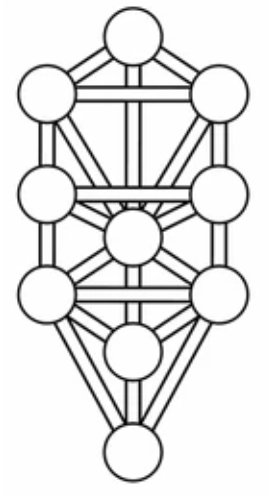
For Kabbalists, the Tree of Life is not merely a symbolic diagram. It is a map of divine reality and the relationship between the Infinite and the created world. It is important to note that traditional Jewish Kabbalah did not originally include tarot, astrology, or ceremonial magic.
Cabala: The Christian Adaptation
During the Renaissance, Christian scholars became fascinated by Jewish mystical teachings. Thinkers such as Giovanni Pico della Mirandola and Johannes Reuchlin studied Kabbalah and began incorporating its concepts into Christian theology. This adaptation became known as Cabala. Christian Cabalists interpreted the Tree of Life through a Christian lens, using Kabbalistic symbolism to explore doctrines such as:
- The Trinity
- The nature of Christ
- Biblical mysteries
While the structure of the Tree remained recognizable, its theological interpretation shifted significantly from its Jewish roots.
Qabalah: The Hermetic and Esoteric Tradition
The spelling Qabalah is most commonly associated with the Western esoteric tradition. This is the version most familiar to tarot readers. Emerging through Renaissance Hermeticism, Rosicrucianism, ceremonial magic, and later the Hermetic Order of the Golden Dawn, Qabalah expanded the Tree of Life into a universal symbolic framework. Within Hermetic Qabalah, the Tree became interconnected with:
- Tarot
- Astrology
- Alchemy
- Sacred geometry
- Mythology
- Mystical psychology
Many of the correspondences tarot readers use today originate from this tradition. For example, the familiar association of the Minor Arcana with the ten sephirot:
- Aces with Keter
- Twos with Chokmah
- Threes with Binah
- Fours with Chesed
- And so on through the Tens and Malkuth
comes primarily from Hermetic Qabala and the teachings of the Golden Dawn.
Why the Distinction Matters
The three traditions are connected, but they are not identical. When someone speaks about Kabbalah, they may be referring to a centuries-old Jewish mystical path. When someone discusses Cabala, they may be referring to Renaissance Christian interpretations. And when someone uses Qabalah, they are often discussing the symbolic and esoteric framework that underlies much of modern tarot, astrology, and ceremonial magic. Understanding these distinctions helps us appreciate both the shared heritage and the unique contributions of each tradition.
Final Thoughts
While Kabbalah, Cabala, and Qabalah share a common ancestry, they represent distinct streams of mystical thought. Understanding which tradition you're studying helps provide context for the teachings you're exploring. For tarot readers, the language of Qabalah offers a powerful bridge between the Tree of Life and the Minor Arcana, revealing a hidden architecture that gives the cards greater depth, coherence, and meaning. The spellings may differ by only a few letters, but each represents a unique chapter in the evolving story of mystical wisdom.